











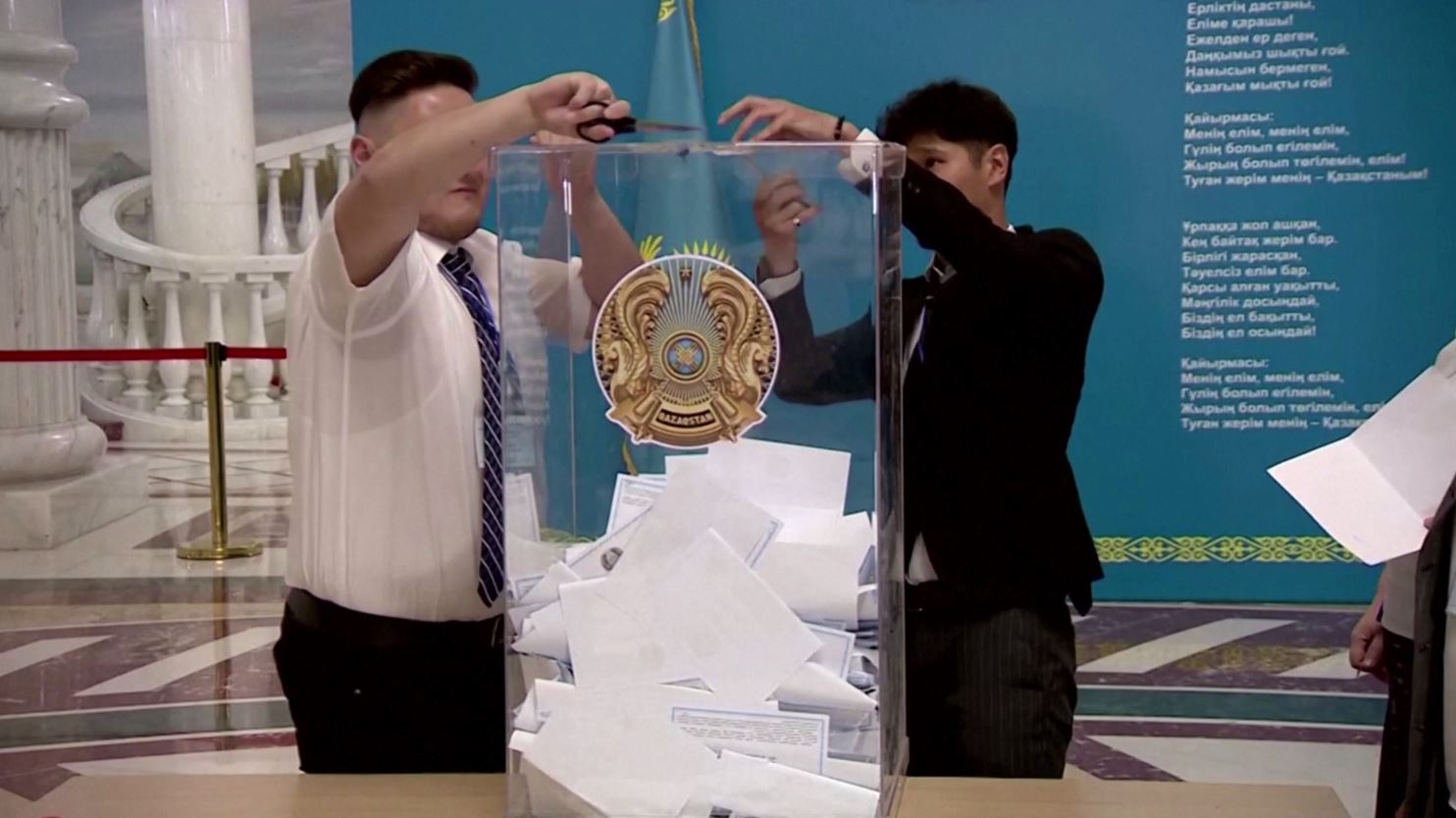
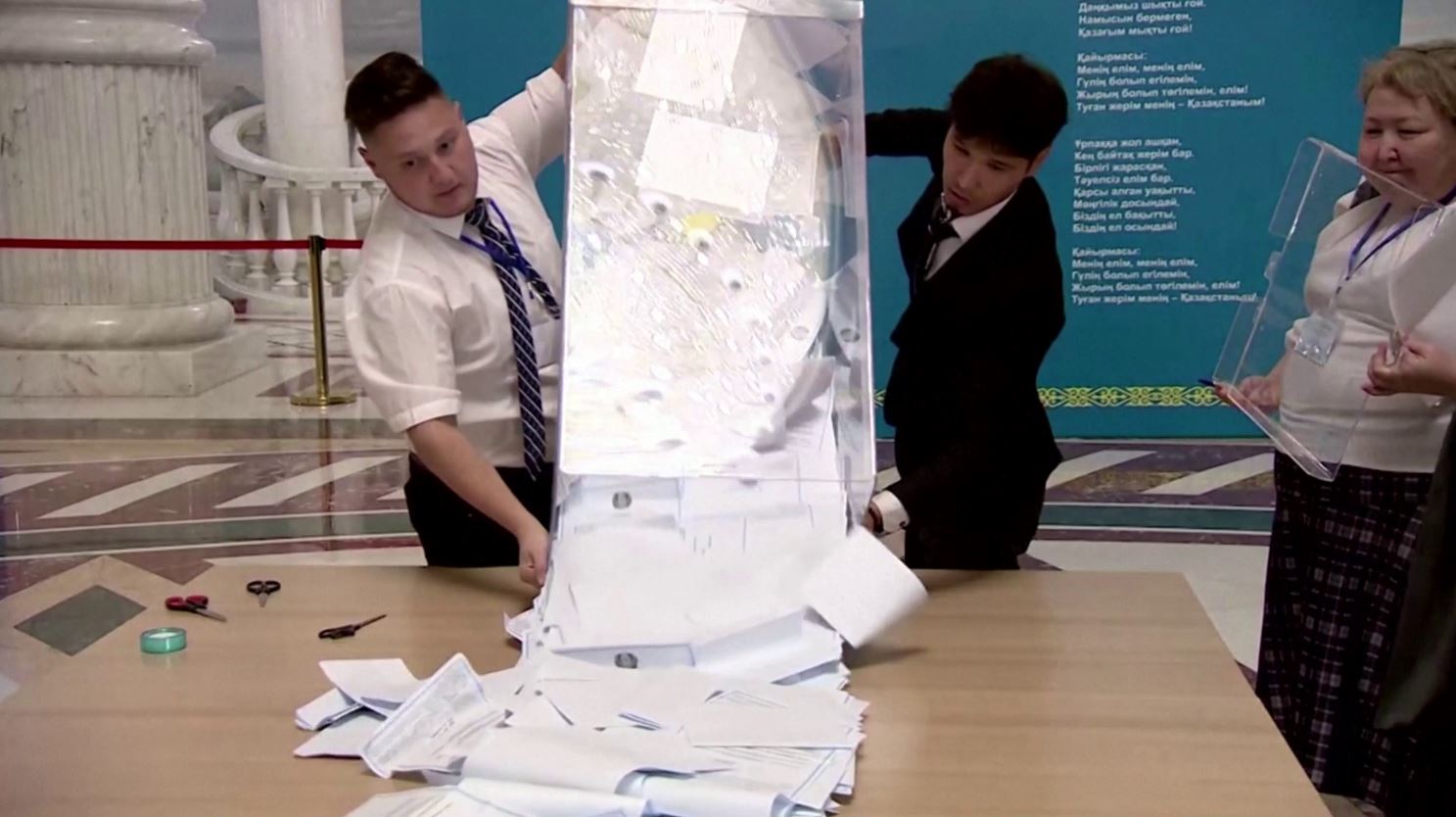
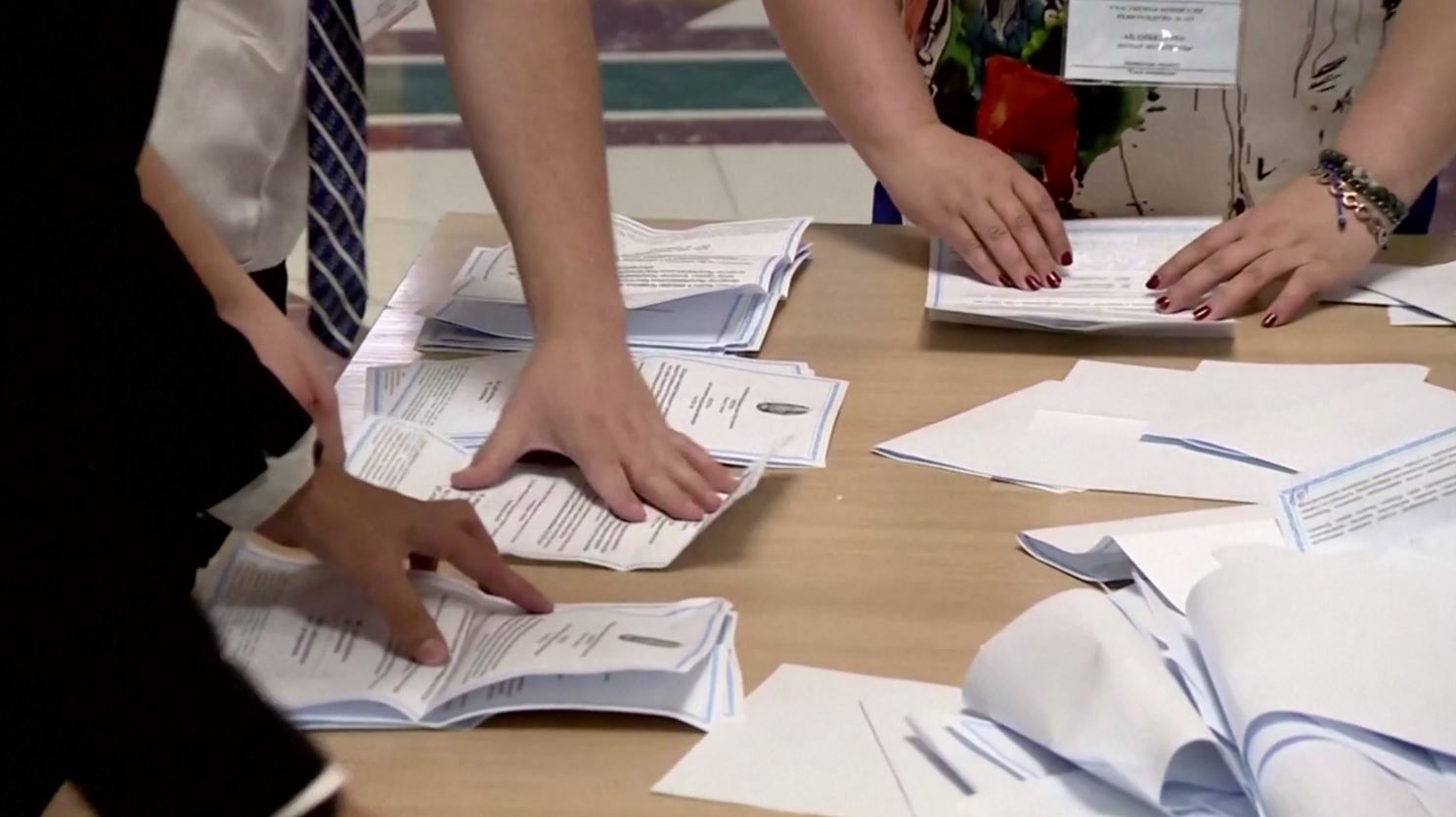
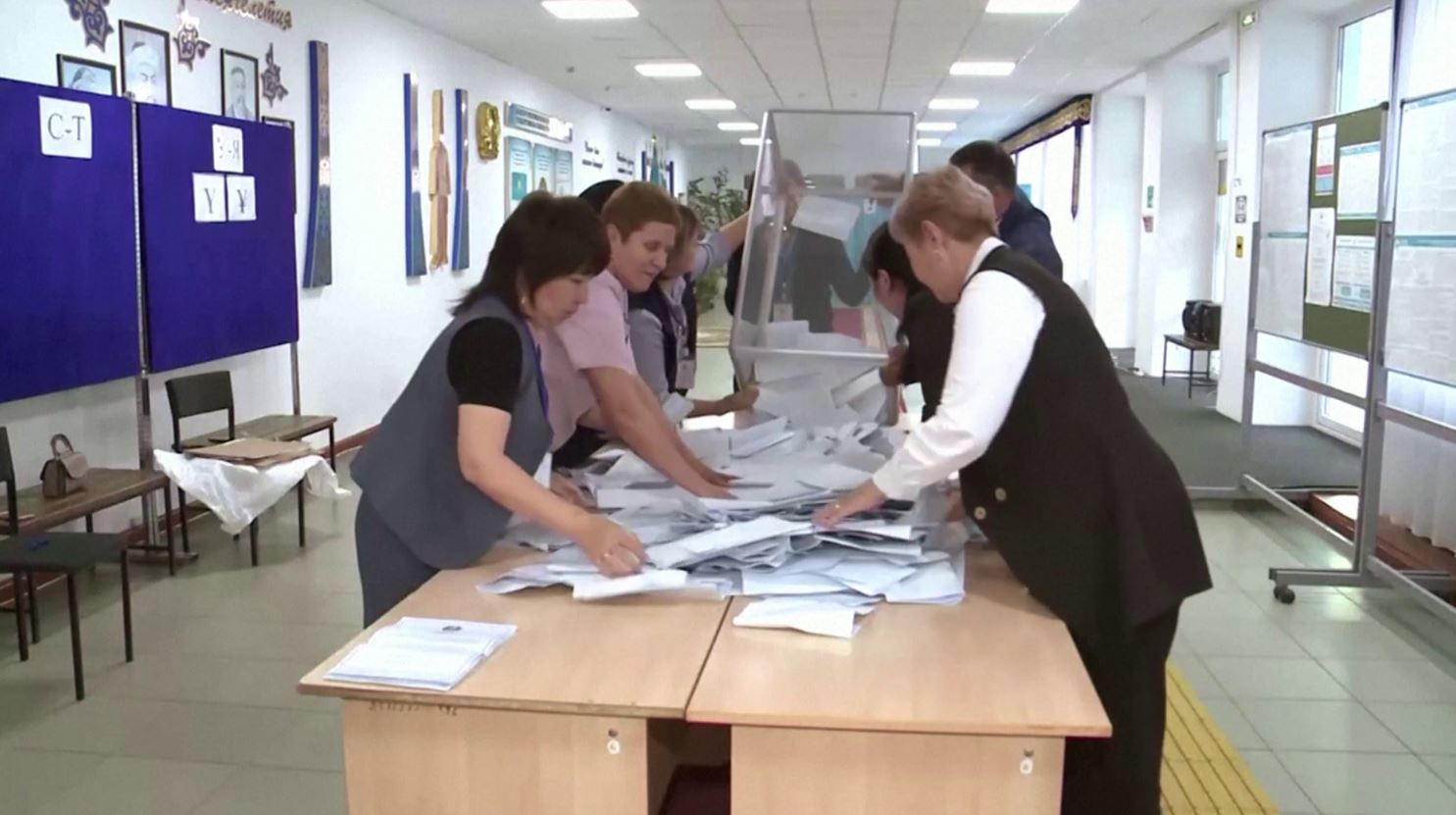
NUR-SULTAN: Kazakhstan voted on a constitutional reform on Sunday, 5 June, which was promoted by its president as a step toward liberalizing the Central Asian republic, although it would still leave key powers in his hands.
More than 68% of voters cast their ballots by 10 pm local time, the Central Election Commission said, well above the required 50% threshold. The results are expected on Monday.
The reform is likely to give 69-year-old President Kassym-Jomart Tokayev the political capital he needs to run for a second term in oil-rich Kazakhstan, this time without the backing of his former patron and predecessor Nursultan Nazarbayev.
In power since 2019 following Nazarbayev's abrupt resignation after three decades in charge, Tokayev has only fully emerged as an independent figure this year after putting down an attempted coup in January and removing Nazarbayev and his relatives from key positions in the government.
Aside from moves to decentralize decision-making and allow greater representation of various groups in parliament, the reform will also strip Nazarbayev of his "national leader" status which granted him lifetime privileges. The president, however, would retain powers to appoint judges and regional governors and dissolve parliament.
Tokayev has described the proposed changes as a move from a "super-presidential" system to a presidential republic with a strong parliament. Although critics say the reform is cosmetic, it does signal a reversal from a decades-long trend towards strengthening presidential powers.
He voiced confidence on Sunday that his initiative would pass, saying, "There is a lot of work ahead, we will need to implement the constitutional provisions for which we are voting."
Some, however, complained that the proposed changes to more than 30 articles of the constitution were too complicated.
Analysts said the referendum was in part a response to January's unrest which started as a protest against a fuel price hike and evolved into a broad display of public discontent with a system that concentrates power and wealth in the hands of a few.
Tokayev has also called for higher taxes on the lucrative extractive industries and high-income individuals, saying social justice would be the cornerstone of a new social contract. Addressing domestic policy concerns would free up the career diplomat's hands to deal with unprecedented external turbulence.
Caught between major economic and security partner Russia and the West, which has invested hundreds of billions of dollars in its giant oilfields and mines, Kazakhstan is trying to navigate a way through the Ukraine crisis without angering either side.
Related News